


How Does ER5356 Help Renewable Energy And Offshore Structure Durability
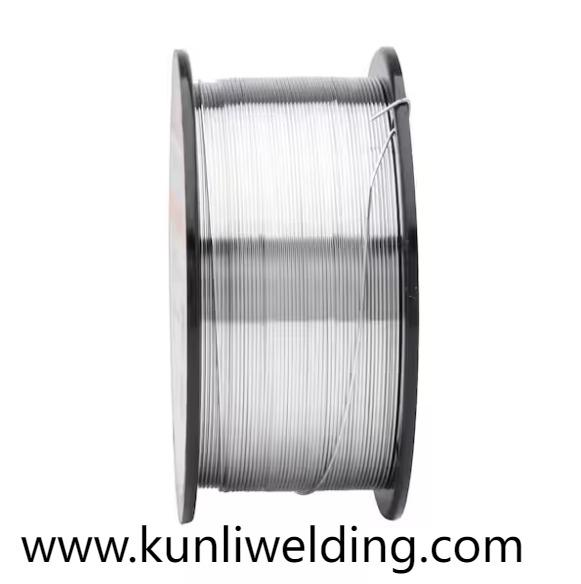
Across sectors shifting toward lighter assemblies and longer service intervals, Aluminum Welding Wire ER5356 is frequently chosen for joining tasks that demand strength and resistance in exposed environments. Fabricators working on coastal projects, electric mobility parts, and outdoor enclosures are paying more attention to filler selection as procurement and maintenance goals change. This article highlights five practical industry uses where ER5356 contributes to durable welded assemblies and why teams are specifying it more often amid current supply chain and sustainability conversations.
Marine fabrication remains a primary use case. Shipyards and repair yards favor filler metals that form deposits resistant to coastal atmospheres while keeping a degree of ductility under load. ER5356’s deposit characteristics help joints tolerate vibration and salt laden air without creating obvious initiation sites for corrosion. When weld geometry is neat and finishing practices align with surface protection, the result is lower maintenance intervention frequency for hull panels and exposed fittings.
Mobility and light weight transport sectors are another area where ER5356 sees frequent application. As vehicles pursue weight reduction to meet energy and emissions targets, aluminum structures must hold up under repeated loading. The filler’s weld metal behavior supports structural joins that balance strength with some stretch under dynamic loads. That helps designers and fabricators create lighter sub assemblies while maintaining predictable in service performance.
Architectural and facade work also benefits from ER5356. Exterior panels and trim that receive decorative finishes require fillers that blend well after surface treatment. This filler tends to wet and flow in a manner that reduces the need for aggressive blending before coatings or anodizing. For city projects that emphasize both appearance and lifecycle cost control, a filler that simplifies finishing reduces labor and shortens handoff to installation teams.
Pressure containing fabrications and storage tanks form another relevant application. Where welded seams must sustain internal stress while staying resistant to environmental exposure, deposit toughness is important. ER5356’s weld metal contributes to joints that show consistent tie in and that perform under variable thermal and mechanical conditions. In repair scenarios where access is limited, using a filler with predictable behavior reduces the likelihood of repeat visits for weld repairs.
Renewable energy and offshore structures combine many of the previous demands. Turbine housings, mounting frames and support brackets operate in harsh atmospheres and require long intervals between maintenance. Specifying a filler that supports corrosion resistant deposits and predictable fusion reduces service burden for operators. As asset owners push for more resilient infrastructure, material choices that lower lifecycle maintenance needs become part of procurement strategy.
Practical technique notes matter across these uses. Surface preparation is fundamental; removing oils and oxides before welding prevents pores and improves bonding. Controlling heat input with incremental passes and good fixturing limits distortion on thin panels. For mechanized welding cells, matching spool form and feed settings to the wire reduces feed related stops and keeps bead shape consistent across shifts. These shop floor habits translate into fewer rework steps and more predictable inspection outcomes.
Supply chain and sustainability conversations are influencing selection too. Fabricators are weighing not only immediate performance but also production waste and logistics. A filler that reduces rework and that is available in packaging tuned for common feeders reduces both material waste and unexpected shipments. That alignment supports procurement teams aiming to keep projects on schedule while lowering lifecycle impact.
When specifying filler for a project, coordinate design, welding and finishing teams early. Confirm which wire forms and spool sizes your feeders accept and ask suppliers for handling guidance. Pre production trial welds on representative panels allow teams to adjust parameters and anticipate finishing needs, shortening qualification time when programs scale. Clear documentation from suppliers helps engineers make informed choices that match both performance and operational goals.
For product pages, handling notes and technical guidance on ER5356 and related wire forms consult the manufacturer site where detailed descriptions and packaging options are available. Visit www.kunliwelding.com to review product formats and supporting technical material that can assist procurement and welding teams in matching filler choice to application demands.

 English
 French
 Spanish
 Portuguese
 Deutsch
 Turkish
 Dutch
Dutch
 Italiano
 Russian
 Romaian
 Portuguese (Brazil)
 Greek
Greek