


Brazil Enterprise Software Ecosystem: Solutions Driving Operational Efficiency
Introduction and Market/Industry Overview:
Brazil’s enterprise software has evolved into a vital pillar of the country’s digital economy. As organizations across Brazil modernize operations and embrace digital transformation, enterprise software solutions have become essential for improving efficiency, governance, and competitiveness. These solutions support core business functions such as finance, human resources, supply chain management, customer engagement, and data analytics. In a diverse economy like Brazil’s, which includes manufacturing, agriculture, retail, banking, energy, and public services, enterprise software plays a crucial role in enabling organizations to adapt to market changes and regulatory requirements. The growing emphasis on automation, compliance, and operational transparency continues to shape demand across both private and public sectors.
Key Concepts and Core Components:
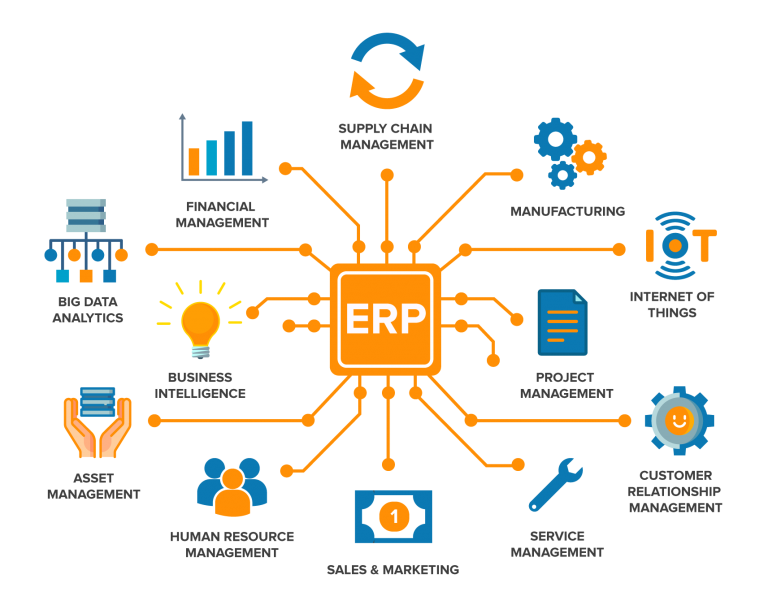
Enterprise software refers to integrated applications designed to manage complex business processes at scale. In Brazil, commonly adopted components include enterprise resource planning systems that unify finance and operations, customer relationship management platforms that enhance sales and service interactions, and human capital management tools that streamline workforce administration. Business intelligence and analytics software helps organizations transform data into actionable insights, while enterprise content management solutions ensure secure handling of documents and digital assets. Increasingly, cloud-based architectures, application integration platforms, and cybersecurity layers form the backbone of modern enterprise software environments, allowing scalability and resilience.
Applications and Use Cases Across Industries:
Enterprise software is widely used across Brazilian industries to address sector-specific needs. Manufacturing firms rely on integrated systems to manage production planning, inventory control, and supplier coordination. Retail and e-commerce businesses use enterprise platforms to synchronize sales channels, manage customer data, and optimize logistics. In the financial services sector, banks and insurance providers depend on enterprise software to ensure regulatory compliance, risk management, and secure transaction processing. Healthcare organizations use these systems to manage patient information, billing, and operational workflows, while government agencies adopt enterprise platforms to improve public service delivery, transparency, and administrative efficiency.
Growth Drivers and Opportunities:
Several factors are driving the expansion of enterprise software adoption in Brazil. Digital transformation initiatives are encouraging organizations to replace legacy systems with modern, integrated solutions. The rise of remote and hybrid work models has increased demand for cloud-based enterprise applications that support collaboration and accessibility. Regulatory complexity also creates opportunities for software that simplifies compliance and reporting. Small and medium-sized enterprises are increasingly investing in modular and scalable enterprise solutions, opening new growth avenues for vendors offering flexible deployment models. Additionally, the push for data-driven decision-making is fueling interest in analytics and automation tools.
Challenges, Risks, and Limitations:
Despite strong momentum, the Brazilian enterprise software market faces notable challenges. Implementation complexity and high initial costs can discourage adoption, particularly among smaller organizations. Integration with existing systems remains a concern, as many enterprises operate with a mix of old and new technologies. Data security and privacy risks are increasingly prominent, especially as cloud adoption grows and cyber threats become more sophisticated. Limited digital skills within the workforce can also slow deployment and reduce the effectiveness of enterprise software investments. Addressing these challenges requires careful planning, training, and vendor support.
Emerging Trends and Innovations:
Innovation is reshaping enterprise software in Brazil, with cloud-native platforms becoming the preferred choice for flexibility and cost efficiency. Artificial intelligence and machine learning are being embedded into enterprise applications to enable predictive analytics, intelligent automation, and personalized customer experiences. Low-code and no-code platforms are gaining traction, allowing businesses to customize workflows without extensive technical expertise. Integration platforms and application programming interfaces are simplifying connectivity across systems, while enhanced cybersecurity features are being built into enterprise solutions to address growing risk concerns.
Regional or Industry-Wise Insights:
Enterprise software adoption in Brazil varies by region and industry maturity. Major economic hubs are leading in the adoption of advanced enterprise platforms, driven by higher digital readiness and access to skilled talent. Industrial and agribusiness regions are increasingly investing in software that supports supply chain visibility and operational efficiency. The public sector is also becoming an important adopter, using enterprise solutions to modernize administrative processes and improve citizen services. Industry-specific customization is gaining importance, as organizations seek solutions aligned with local regulations and operational realities.
Future Outlook:
The future of enterprise software in Brazil appears promising as organizations continue to prioritize efficiency, resilience, and digital innovation. Ongoing advancements in cloud computing, automation, and analytics will further expand the capabilities of enterprise platforms. Vendors that offer localized support, flexible pricing, and strong integration capabilities are likely to gain a competitive edge. As Brazilian businesses and institutions navigate economic and technological change, enterprise software will remain a foundational tool for sustainable growth and operational excellence. In conclusion, Brazil’s enterprise software ecosystem is set to play a central role in shaping the country’s digital and economic future.
Top Trending Reports -
UK Graph Database Market Trends

 English
 Arabic
 French
 Spanish
 Portuguese
 Deutsch
 Turkish
 Dutch
Dutch
 Italiano
 Russian
 Portuguese (Brazil)
 Greek
Greek