


What Is an Industrial Panel PC?
Introduction
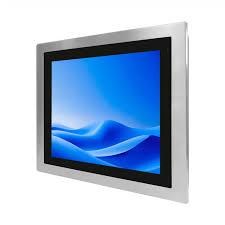
An industrial panel PC is a rugged, all-in-one computer that integrates a touchscreen display with industrial-grade computing hardware. Unlike standard desktop or consumer PCs, these devices are built to survive in harsh environments. They withstand dust, moisture, high or low temperatures, vibration, and mechanical stress — making them a core component in manufacturing, automation, and industrial control systems. These PCs often mount directly to machinery, control panels, or wall racks. Their compact, sealed design eliminates the need for a separate monitor and tower, saving space and reducing cabling.
Why Industrial Panel PCs Matter
Rugged Durability for Extreme Environments
One of the most compelling strengths of industrial panel PCs is their durability. Their enclosures frequently carry high ingress protection (IP) ratings — such as IP65 or even IP67 — which shield the device from dust and water. Moreover, many models are fanless, relying on passive cooling to dissipate heat. That design minimizes moving parts (which can fail) and reduces maintenance needs. They also use solid-state drives (SSDs) and shock-resistant components, which help them operate reliably despite vibration or shock.
Core Features That Power Performance
Reliable Hardware & Long Lifespan
Industrial panel PCs often utilize industrial-grade PCBs (printed circuit boards) and durable materials to ensure long-term stability. Their components undergo rigorous quality testing, with many systems rated for continuous 24/7 operation.Some units can run in extreme temperature ranges — from sub-zero cold to intense heat — without compromising performance.
Powerful Connectivity
These PCs are designed to interface with a variety of industrial systems: sensors, PLCs (programmable logic controllers), SCADA systems, and more. They offer a broad array of I/O ports — Ethernet, USB, serial, CAN-bus — making them ideal hubs in automated workflows.
Touchscreen Interface
With built-in touchscreens (resistive, capacitive, or P-CAP), industrial panel PCs provide a natural, intuitive interface for operators.This human-machine interface (HMI) simplifies data input, alarms acknowledgement, machine tuning, and real-time monitoring.
Sealed and Protected
Robust glass shields the display from scratches and impacts. The sealed front panel lets operators wipe the surface clean, which is especially useful in environments requiring hygiene or frequent sanitation (e.g., food, pharmaceuticals).
Real-World Use Cases
Manufacturing & Automation
Industrial panel PCs shine in the heart of production lines. They serve as HMI terminals, allowing workers to monitor operations, adjust machine parameters, and react to system alerts instantly. Integrated with PLCs and SCADA, they help control robotic arms, conveyor belts, and quality inspection stations.
Logistics & Warehousing
In a warehouse or distribution center, these panel PCs can be mounted on forklifts, conveyors, or packing stations. They manage inventory data, guide pickers, and enable real-time tracking.
Transportation & Infrastructure
Panel PCs also play an important role in transportation systems. In trains, buses, or control centers, they monitor vehicle status, track routes, or display critical system information. Their rugged build ensures reliable operation under vibration, temperature changes, or challenging outdoor conditions.
Utilities & Energy
In power plants, water treatment facilities, or renewable energy operations, industrial panel PCs provide real-time visibility into system metrics. Operators can quickly respond to alarms, adjust processes, and maintain efficient and safe operations.
Healthcare & Clean Environments
Thanks to sealed fronts and fanless design, these PCs are suitable for clean-room environments, laboratories, and hospitals. They operate as sterile interface points for patient check-ins, medical data input, and lab monitoring.
Advantages That Impact Business Outcomes
Reduced Downtime
Because industrial panel PCs are built to last, they minimize costly interruptions. Their rugged design reduces hardware failures, while fanless cooling and SSD storage lower the risk of mechanical parts breaking down.
Simplified Maintenance
With fewer moving parts, these systems demand less upkeep. Their sealed surfaces are easy to clean. And because the PC and screen are integrated, there’s no separate monitor or cables to manage.
Space Efficiency
A panel PC’s all-in-one form factor saves valuable space on control panels and walls. With VESA mounting, DIN-rail options, or custom brackets, they integrate cleanly into industrial environments.
Customization
Manufacturers can tailor panel PCs to precise needs: choosing screen size, touch type, I/O layouts, operating systems, and more. This flexibility makes them highly adaptable across industries.
Long-Term Investment
Their long product lifecycles (often 5–10+ years), rugged components, and low maintenance costs mean industrial panel PCs often offer a lower total cost of ownership than standard PCs.
Challenges and Considerations
While industrial panel PCs provide many benefits, choosing the right one requires thought. Some considerations include:
-
Operating Environment: You must match IP rating, temperature tolerance, and materials to your specific industrial conditions.
-
Performance Needs: Decide how much processing power, memory, and storage you need based on your application (e.g., simple monitoring vs heavy data logging).
-
Connectivity Requirements: Make sure the unit supports all the protocols and interfaces you need (Ethernet, serial, fieldbus).
-
Mounting and Integration: Consider how the PC will be mounted — panel mount, rack, DIN rail — to ensure easy installation and maintenance.
-
Lifecycle and Support: Choose vendors who guarantee long-term availability of spare parts, firmware, and technical support, especially in safety-critical systems.
The Future of Industrial Panel PCs
As industrial IoT (IIoT), smart manufacturing, and edge computing continue to evolve, industrial panel PCs are becoming more capable and connected. Future models may include:
-
Integrated AI acceleration for on-site analytics
-
Advanced connectivity (5G, Wi-Fi 6) for remote monitoring
-
Enhanced modularity to swap displays or compute modules
-
Improved energy efficiency with low-power processors
All of this points to a future where panel PCs aren’t just interfaces — they become intelligent edge orchestrators in smart factories.
Conclusion
The industrial panel PC is more than a rugged computer — it’s a critical interface and control point that powers modern industry. By combining durable hardware, all-in-one design, intuitive touchscreens, and enterprise-grade reliability, these systems help companies streamline operations, improve safety, and reduce downtime.From factory floors to field control rooms, transportation hubs to medical labs, industrial panel PCs are the backbone of human-machine interaction. Investing in the right model today means safeguarding your processes for years to come — making it a smart choice for any forward-thinking business.
For more and latest article: Click Here

 English
 Arabic
 French
 Spanish
 Portuguese
 Deutsch
 Turkish
 Dutch
Dutch
 Russian
 Romaian
 Portuguese (Brazil)
 Greek
Greek