


Which Maintenance Habits Support Stable Output On Gusumachinery Chocolate Chips Machine
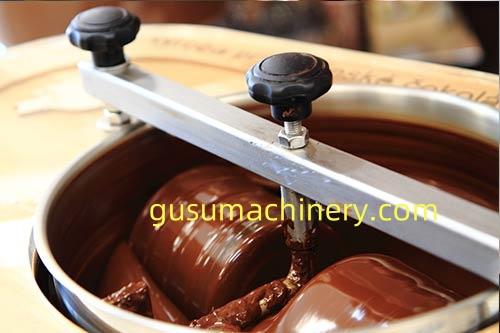
Chocolate Chips Machine operation plays a key role in determining how much raw material is converted into finished products versus wasted during production. Even small inefficiencies can gradually increase material loss, affecting costs and consistency. By focusing on practical operating habits, manufacturers can reduce waste while maintaining stable production routines.
One important step is controlling raw material feeding. Overfeeding may lead to overflow, uneven forming, or unnecessary spillage, while underfeeding can interrupt production rhythm. Operators should adjust feeding speed based on batch size and production pace rather than fixed assumptions. Consistent observation during early stages helps establish reliable feeding patterns that limit unnecessary loss.
Temperature management is another factor that directly influences waste levels. When temperature fluctuates, chocolate flow may become unstable, leading to irregular shapes or rejected pieces. Operators should allow enough warm up time and avoid frequent manual adjustments during operation. Stable temperature conditions help reduce defects that often end up discarded.
Cleaning routines also affect waste control more than many expect. Residual material buildup inside forming areas can interfere with smooth flow, increasing blockage risks and product inconsistency. Regular cleaning schedules between production runs help maintain predictable output. This approach minimizes leftover material that might otherwise harden and require disposal.
Operator training plays a practical role in reducing waste. When staff understand how different settings affect material behavior, they are more likely to respond correctly to early warning signs. Instead of reacting after defects appear, trained operators can make timely adjustments that prevent waste from accumulating. Clear guidelines help maintain consistent practices across shifts.
Maintenance routines contribute to long term material efficiency. Worn components may cause uneven dispensing or vibration that affects forming accuracy. Regular inspections help identify minor issues before they escalate into material loss. Preventive maintenance supports smoother operation and reduces unexpected downtime that often leads to wasted batches.
Production planning is another useful area for improvement. Scheduling production runs based on realistic output goals helps avoid frequent stops and restarts. Each restart can generate additional waste as material stabilizes again. Well planned production sequences help maintain continuous flow and reduce unnecessary disposal.
Manufacturers working with Gusumachinery often focus on these practical operating details to support stable output and controlled material usage. Rather than relying on complex adjustments, they emphasize consistency, observation, and routine discipline during daily operation.
In the long term, waste reduction comes from combining proper setup, trained operators, and steady maintenance habits. These steps help manufacturers protect material value while keeping production processes predictable. For businesses seeking equipment designed with practical operation in mind, more details can be found at https://www.gusumachinery.com/

 Arabic
 French
 Spanish
 Portuguese
 Deutsch
 Turkish
 Dutch
Dutch
 Italiano
 Russian
 Romaian
 Portuguese (Brazil)
 Greek
Greek