


Power Stability That Supports Longer Use
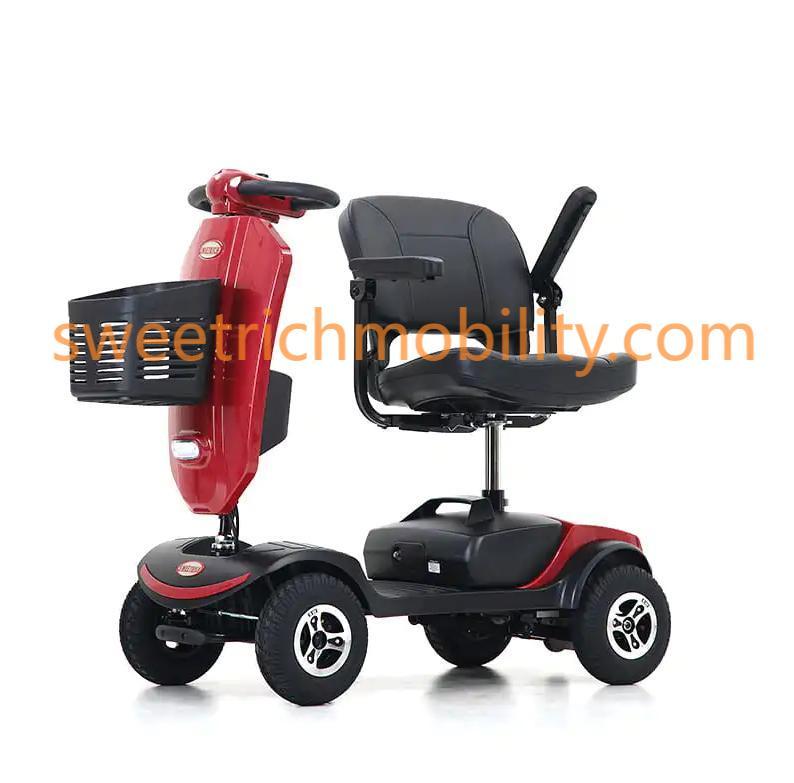
Battery technology plays a central role in the overall safety, reliability, and user experience of electric mobility scooters. While design, frame structure, and motor efficiency are important, the battery system ultimately determines how far a user can travel, how consistently the scooter performs, and how safely the electrical components operate under changing conditions. Modern models, especially those positioned within the Wholesale Travel Scooter category, now integrate advanced battery management features designed to provide predictable performance while reducing risks associated with overheating, unexpected shutdowns, or premature battery wear.
Why Smart Battery Oversight Matters
During everyday use, a mobility scooter must deliver stable power output whether the rider is navigating smooth indoor spaces or uneven outdoor paths. Battery voltage naturally fluctuates as charge levels decrease, and environmental factors such as temperature or incline place additional demand on the system. Without intelligent regulation, these fluctuations could lead to sudden loss of power or diminished performance at moments when reliability is essential.
A well-designed battery management approach helps the scooter maintain consistent functionality. It monitors energy consumption patterns, adjusts discharge levels, and ensures the motor receives the appropriate amount of power for varying travel speeds. This prevents abrupt performance drops that could disrupt a user's ride or limit their ability to navigate safely.
Temperature Control for Reliable Operation
Temperature is one of the most influential factors affecting battery health. High heat accelerates chemical degradation, while extremely low temperatures reduce discharge capability. Both conditions may compromise the scooter’s range and responsiveness.
To address this, many systems include built-in protection to maintain operation within a safe temperature window. When the battery becomes too warm, the scooter may automatically reduce output or alert the user to prevent further stress. In cold conditions, regulation helps preserve sufficient power delivery even as the internal chemistry slows down. This smart balance ensures that the scooter performs predictably regardless of seasonal changes.
Preventing Overcharging and Over-Discharging
Proper charging habits significantly influence battery longevity. Overcharging can cause accelerated wear, while deep, repeated discharge cycles may reduce total lifespan. Intelligent management systems protect against both risks by supervising charge intake and limiting discharge depth.
During charging, the system monitors voltage levels closely to avoid excessive accumulation of energy. This not only prevents overheating but also keeps the battery within a range that supports long-term durability. When the scooter is in use, discharge protection ensures the battery retains a buffer, preventing complete depletion that could otherwise weaken the internal structure.
Stable Output for Hill Climbing and Heavier Loads
Different riding conditions impose different power demands. Climbing slopes, carrying heavier loads, and navigating rough terrain require higher output from the motor. Without proper regulation, these conditions might force the battery to work beyond safe limits.
Battery management systems balance output to ensure consistent performance even under demanding conditions. They supply increased power when necessary, but also limit current spikes that could cause overheating or rapid capacity drain. This helps users maintain confidence when traveling through varied environments, knowing the scooter can adapt without compromising safety.
Range Predictability for Daily Use
One of the most practical benefits of intelligent battery management is improved range accuracy. Riders often rely on scooters for errands, appointments, or social activities, making it essential to understand how far they can travel on a given charge. Environmental temperature, load, terrain, and speed all influence true range, but manual estimation can be unreliable.
By continuously analyzing remaining capacity and energy consumption patterns, the system provides more precise range estimates. This helps riders plan trips with greater assurance and reduces the risk of unexpectedly running low on power before reaching their destination.
Enhanced Safety Through Real-Time Monitoring
Real-time observation of battery status allows the scooter to respond immediately to unsafe conditions. If issues such as overheating, short circuits, abnormal voltage drop, or excessive current draw occur, the system can initiate protective responses. These may include reducing speed, restricting power output, or shutting down certain functions to prevent further damage.
Such automatic protective behavior ensures the scooter remains safe even if the user is unaware of an underlying issue. By handling risks proactively, the scooter extends the lifespan of components and minimizes the likelihood of hazardous situations.
Supporting Longer Battery Life
Good battery management ultimately promotes sustainability. A battery that maintains stable performance over many charge cycles reduces replacement frequency and lowers long-term ownership costs. By preventing extreme operating conditions and optimizing usage patterns, the system helps preserve energy efficiency and capacity over time. This long-term stability is essential for users who depend on their mobility scooter as a daily companion.For more information, please visit : www.sweetrichmobility.com/product/heavy-duty-scooters/s70-large-size-powerfully-1000w-4-wheel-electric-mobility-scooter-for-old-people-travel.html .

 Arabic
 French
 Spanish
 Portuguese
 Deutsch
 Turkish
 Dutch
Dutch
 Italiano
 Russian
 Romaian
 Portuguese (Brazil)
 Greek
Greek