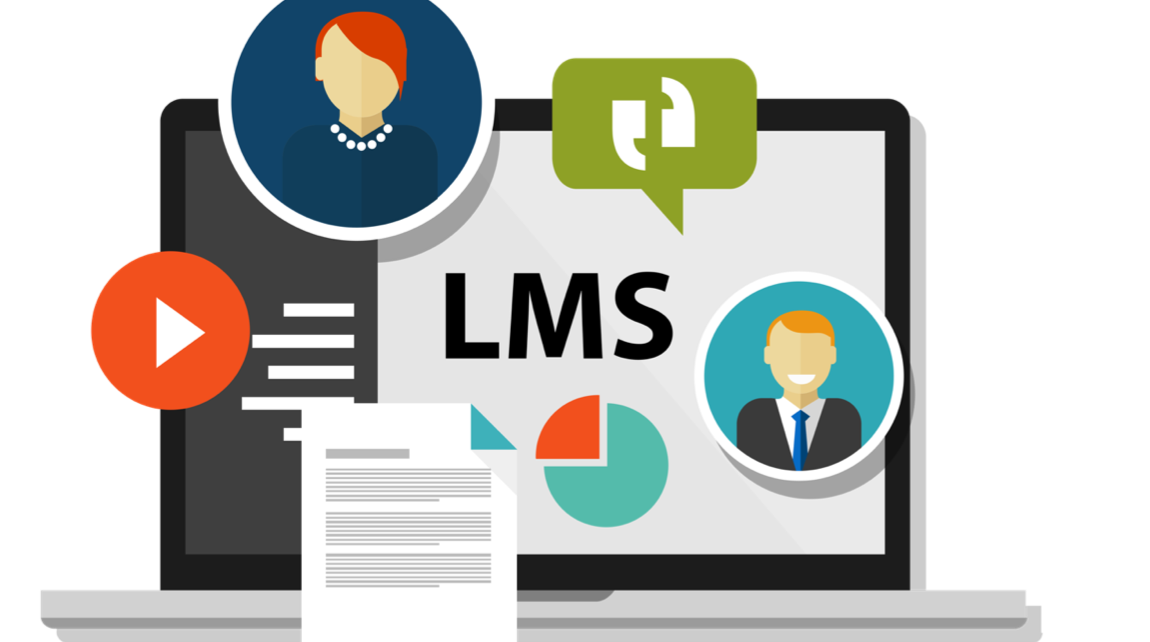
Organizations increasingly connect learning management systems with human resources software creating integrated talent development ecosystems. The learning management system lms hr software integration trend delivers significant value through connected data and workflows. The Learning Management System (LMS) Market size is projected to grow USD 84.79 Billion by 2035, exhibiting a CAGR of 14.62% during the forecast period 2025-2035. HR systems contain employee data essential for learning management including organizational structure, job roles, and employment status. Integration eliminates duplicate data entry while ensuring learning systems reflect current workforce information accurately. Talent management strategies require connected systems supporting recruitment through retirement employee development journeys. Competency frameworks benefit from integration linking skill definitions across performance and learning systems. Succession planning leverages learning data to identify and develop future organizational leaders systematically. The convergence of HR and learning technology creates comprehensive platforms for strategic workforce development.
Integration architecture approaches vary based on organizational requirements, existing systems, and vendor capabilities available. Point-to-point integrations connect specific systems through custom-developed interfaces requiring ongoing maintenance. Integration platform solutions provide middleware connecting multiple systems through standardized approaches. API-based connections leverage vendor-provided interfaces for data exchange and functionality access. Single-vendor suites offer pre-built integration between learning and HR modules within unified platforms. Data warehouse approaches consolidate information enabling cross-system analytics without real-time connectivity. Event-driven architectures trigger actions in connected systems based on defined conditions automatically. Federation approaches maintain separate systems while presenting unified experiences to end users. Organizations must evaluate architectural options based on requirements, resources, and long-term technology strategies.
Key integration use cases demonstrate business value achieved through connected learning and HR systems. Employee onboarding automatically enrolls new hires in required training based on role and location data. Compliance management assigns mandatory training based on job classification and regulatory requirements. Performance management connects learning activities to development goals and evaluation criteria. Career development links skill gap analysis to recommended learning paths supporting advancement. Succession planning identifies high-potential employees and tracks development activity progress. Organization changes automatically update learning assignments when employees transfer or change roles. Termination processing removes system access and generates completion documentation for departed employees. Reporting combines learning and workforce data enabling comprehensive talent analytics capabilities. These use cases justify integration investment through efficiency gains and strategic capability enhancement.
Implementation considerations influence success when connecting learning management and human resources systems. Data quality requirements increase when information flows between systems making cleanup essential before integration. Process alignment ensures connected workflows reflect organizational requirements and governance policies. Security controls must address expanded data access and cross-system authentication appropriately. Testing validates data accuracy, workflow execution, and error handling across integrated environments. Change management addresses process changes and new capabilities resulting from system connections. Vendor coordination requires cooperation when integrating products from different software providers. Maintenance planning accounts for ongoing requirements as connected systems receive updates independently. Performance monitoring ensures integrations operate efficiently without impacting source system responsiveness. Thoughtful implementation approaches maximize value while managing risks inherent in connecting enterprise systems.
Top Trending Reports -
South Korea Bot Services Market Share
UK Bot Services Market Share
China Heterogeneous Network Market Share


 English
 Arabic
 French
 Spanish
 Portuguese
 Deutsch
 Turkish
 Italiano
 Russian
 Romaian
 Portuguese (Brazil)
 Greek
Greek