


Will supplier traceability and weave selection cut maintenance costs long term
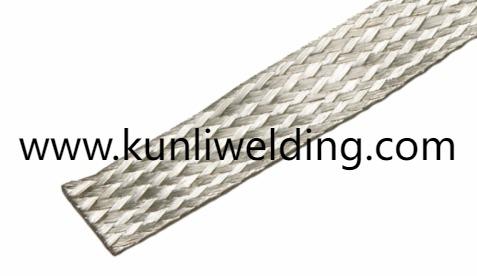
In critical grounding and bonding projects the details of construction matter, which is why Aluminum Braided Wire Manufacturers pay close attention to weave pattern when designing conductors for demanding installations. The pattern chosen affects electrical continuity mechanical flexibility and resistance to wear in ways that change how a conductor performs in the field. With public investment shifting toward grid upgrades vehicle charging points and coastal resilience projects, those subtle design choices are getting new scrutiny from engineers and procurement teams alike.
Weave geometry controls flexibility and bending fatigue. A braid made from many fine strands laid in a looser pattern bends easily and distributes strain across the conductor. That makes it suited to moving joints and vibration prone supports. Conversely a denser weave packs more cross sectional area into a given width so termination compaction is more uniform. Choosing the correct balance between pliability and compactness reduces the chance of strand breakage near clamps and lowers the risk of high resistance spots that can show up later during inspection.
Electrical performance is a direct function of how well strands contact and how stable the braid keeps its shape under compression. A weave that preserves interstrand contact when clamped delivers lower and more consistent resistance at the joint. That matters for safety circuits where reliable current flow during a fault is critical. Designers specifying conductors for electrified infrastructure should ask whether the braid pattern was selected with termination behavior in mind and whether sample terminations have been tested under realistic clamping forces.
Surface exposure and environmental interaction are also influenced by pattern. In outdoor and coastal installations moisture salts and mixed metal hardware accelerate wear and corrosion. Some weave styles allow easier application of protective coatings or plating that inhibit corrosion without impeding flexibility. Manufacturers who consider coating compatibility at the design stage can supply conductors that hold up better under harsh atmospheres and that cooperate with protective hardware to reduce galvanic concerns.
Installation practice and end use shape the right choice. For runs that navigate tight bends or move with machinery a softer braid that resists fatigue pays back in fewer replacements and less preventive maintenance. For static connections inside enclosures a tighter pattern that supports firm termination may be preferable. Suppliers who provide sample lengths and encourage mock up installations help installers validate fit, routing and termination before committing to large orders.
Quality and traceability complement design. Consistent manufacturing processes that control strand tension strand count and weave density reduce lot to lot variation so onsite crews see predictable behavior when the reels arrive. When audits and public procurement require documented origins and test records, a documented production history makes acceptance smoother. That transparency also speeds root cause analysis if a problem emerges later in service.
Logistics and packaging cannot be left to chance. Braid stored or transported in humid or abrasive conditions can pick up contamination that compromises clamps and increases contact resistance. Manufacturers that wrap and pack conductors to address transit risks preserve product condition and reduce unexpected on site prep. Clear handling guidance cuts down on surprises during installation and helps field teams maintain consistent joint quality across multiple sites.
Finally supplier collaboration matters. Choosing a vendor that consults on weave style termination hardware and protective treatments reduces design iteration and shortens the path from specification to installation. When procurement priorities include resilience and service life, partnering with manufacturers who design with the whole installation in mind adds value beyond unit price.
Weave pattern is not an aesthetic detail. It shapes how a braided conductor bends how it terminates how it weathers and how long it serves. For projects that must meet modern resilience and safety expectations, asking suppliers about weave rationale test terminations and packaging practices pays dividends when systems go live. To review product options packaging choices and manufacturer guidance on braided conductors see product information available at www.kunliwelding.com .

 English
 Arabic
 French
 Spanish
 Portuguese
 Deutsch
 Turkish
 Dutch
Dutch
 Italiano
 Russian
 Portuguese (Brazil)
 Greek
Greek